Bifold Doors for Residential Spaces
Bi-fold Doors: Transform Your Space With Sophisticated Openings
Bifold doors provide a elegant solution for enhancing the connection between indoor and outdoor spaces. Their advanced design not only optimizes natural light but also creates a more airy and inviting atmosphere. With multiple materials and styles available, they can suit diverse home aesthetics. However, selecting the right bifold door involves careful consideration. Examining the options can lead to transformative results in any living environment. What factors should one consider when making this decision?
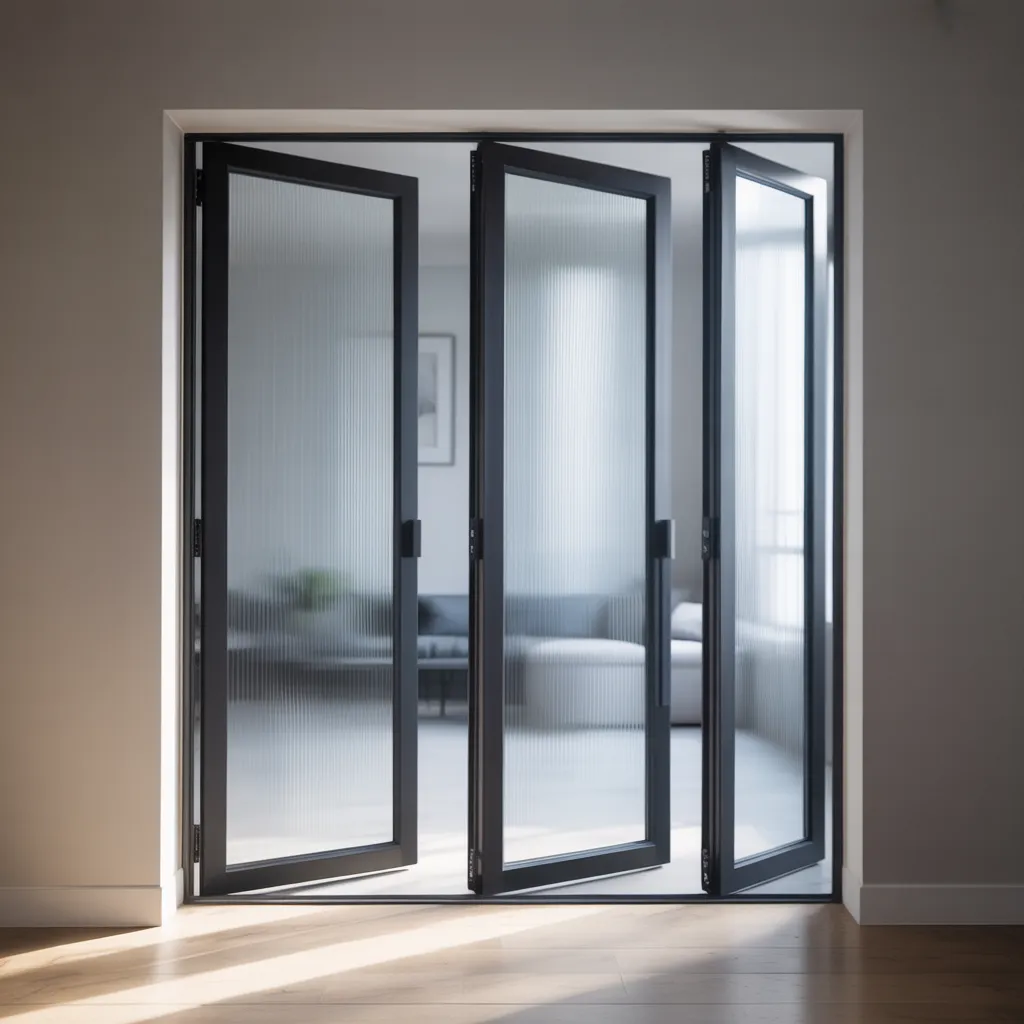
The Benefits of Bifold Doors
Bifold doors deliver a range of benefits for both commercial and residential spaces, improving both functionality and aesthetics. One of the main benefits is their space-saving design, allowing for a wider opening versus traditional doors. This feature enables seamless transitions between indoor and outdoor areas, promoting a more open and inviting atmosphere. Additionally, bifold doors often feature large glass panels, enhancing natural light and offering expansive views. Their versatility enables customization in various styles and materials, catering to diverse architectural preferences. Furthermore, bifold doors can boost energy efficiency when properly installed, creating a comfortable environment. In summary, bifold doors serve as a functional solution that combines beauty with utility, making them a preferred choice for modern spaces.

Types of Bifold Doors
These bifold doors feature numerous material options and design variations, meeting varying aesthetic preferences and functional needs. Popular material choices include fiberglass, wood, and aluminum, each offering particular benefits and features. In addition, design styles extend from modern to classic, permitting homeowners to find the best option for their homes.
Available Material Options
When considering bifold doors, numerous material options are available to fit different aesthetic preferences and functional demands. Wood is a popular choice, delivering warmth and natural beauty, but needs regular maintenance to protect its appearance. Aluminum delivers a modern, sleek look with durability and minimal upkeep, making it suitable for contemporary settings. Vinyl bifold doors are an affordable option, known for their energy efficiency and low maintenance, while fiberglass provides the appearance of wood without the associated upkeep. Moreover, glass bifold doors increase natural light and views, ideal for merging indoor and outdoor spaces. Each material option delivers unique advantages, allowing homeowners to select the perfect fit for their design vision and practical requirements.
Overview of Design Styles
Various design styles of bifold doors cater to diverse architectural aesthetics and functional preferences. Traditional bifold doors typically feature classic wood finishes, elevating the charm of rustic or vintage spaces. In contrast, modern designs showcase sleek lines and minimalist profiles, generally utilizing aluminum or glass materials for a contemporary look. Bifold doors also come in a range of configurations, including two, four, or more panels, enabling flexibility in opening widths. Additionally, some styles incorporate decorative elements such as grids or frosted glass, adding visual interest. These versatile options guarantee that bifold doors can complement any interior or exterior space, making them a popular choice for homeowners seeking both style and practicality.
Choosing the Correct Material
In selecting bifold doors, the choice of material serves a crucial role in both aesthetics and functionality. Homeowners often consider the options between wood and aluminum, considering factors like appearance, insulation, and maintenance. Furthermore, glass panel choices can impact durability and overall upkeep, making it crucial to evaluate these aspects carefully.
Wood versus Aluminum Selections
While the aesthetic appeal and resilience of bifold doors are crucial considerations, the selection between wood and aluminum materials can greatly impact both functionality and maintenance. Wood provides a timeless, warm appearance, making it a popular choice for traditional and rustic settings. Nevertheless, wood requires regular maintenance, including staining or sealing, to shield against moisture and wear. In contrast, aluminum delivers a smooth, modern look and is highly immune to weathering, making it ideal for contemporary designs. It demands minimal upkeep, as it does not warp or rot. Finally, the decision between wood and aluminum depends on personal style preferences, required maintenance levels, and specific environmental conditions, providing the right fit for each unique space.
Glass Panel Options
A variety of glass panel alternatives are available for bifold doors, each serving different aesthetic and functional requirements. Clear glass panels offer unobstructed views and enhance natural light, making them a favored option for many homeowners. Frosted glass panels ensure privacy while still permitting light to filter through, ideal for spaces where seclusion is desired. For those seeking energy efficiency, insulated glass panels are an superior alternative, helping to regulate indoor temperatures. In addition, decorative glass selections, such as tinted or patterned glass, can improve the visual appeal of bifold doors, permitting personal expression. In the end, the choice of glass panel material should align with the desired ambiance and functionality of the space, combining beauty with practicality.
Long-Term Performance and Maintenance Needs
Durability and maintenance are critical factors to contemplate in the selection of materials for bifold doors. Standard materials consist of wood, aluminum, and vinyl, each offering specific strengths and limitations. Wood offers warmth and aesthetic appeal but requires regular sealing and treatment to prevent rot and warping. Aluminum, in contrast, is lightweight and resistant to rust, yet may need periodic cleaning to maintain its appearance. Vinyl is known for its low maintenance needs and durability, making it an appealing choice for many homeowners. In the end, selecting the right material involves balancing aesthetic preferences with long-term performance and upkeep requirements. A well-informed decision guarantees that bifold doors enhance a space while standing the test of time.
Design Factors for Bifold Doors
When choosing bifold doors, several design considerations must be taken into account to guarantee both functionality and aesthetic appeal. The decision of materials is vital, as options such as wood, aluminum, or fiberglass each deliver distinct advantages and styles. In addition, the door configuration should align with the space's layout, maximizing opening widths while ensuring ease of use. Color and finish also play a significant role in matching existing design. Glass panel options should be explored for natural light, enriching the ambiance while maintaining energy efficiency. Additionally, hardware selection influences both durability and style, with different handles and copyrights available. Ultimately, careful attention to these elements can produce bifold doors that enhance the overall design of any space.
Installation Guidelines and Expert Recommendations
Appropriate installation of bifold doors is essential for ideal performance and longevity. To begin, it is important to carefully measure the opening to confirm a precise fit, accounting for any irregularities in the wall. Employing a level during installation aids in preserving alignment, eliminating future operational issues. Following the manufacturer's instructions is essential, as each bifold door system may have unique requirements. Installing the top track first allows for easier adjustments of the bottom track, confirming smooth movement of the doors. Additionally, it is advisable to secure copyrights and hardware tightly, as loose fittings can result in misalignment. Lastly, testing the functionality of the doors before finalizing the installation guarantees optimal operation and satisfaction with the final result.
Maintaining and Caring for Bifold Doors
Keeping bifold doors guarantees their longevity and peak performance. Routine cleaning is essential; using a gentle, damp cloth to wipe down the surfaces stops dirt accumulation. It is recommended to examine the tracks monthly for debris, ensuring smooth operation. Greasing the copyrights and tracks with a silicone-based spray will enable easy movement and stop wear. Additionally, checking seals for any signs of damage will help maintain energy efficiency and stop drafts. If any misalignments occur, adjustments may be needed to guarantee the doors close properly. Finally, seasonal maintenance, including examining for moisture or warping, is critical in increasing the life of bifold doors. A well-maintained bifold door not only enhances aesthetic appeal but also guarantees functionality.
Innovative Bifold Door Ideas for Your Property
How do bifold doors transform the design and practicality of a home? These adaptable installations can create smooth transitions between interior and exterior spaces. In a living room, bifold doors can open onto a patio, enhancing natural light and outdoor connectivity. For kitchens, they can connect to gardens, offering a rejuvenating view while expanding entertaining areas. In bedrooms, bifold doors can function as discover here stylish closet solutions or provide access to private balconies. Home offices benefit from bifolds, allowing for easy separation of work and personal space. Additionally, using contrasting materials, such as wood and glass, can add a contemporary touch. Overall, bifold doors present endless possibilities to enhance both the design and usability of any home.
FAQ
How Do Bifold Doors Influence Home Resale Value?
Bifold doors may favorably affect property resale value by boosting aesthetic appeal and maximizing natural light. Their sleek design typically entices potential buyers, making properties with these features highly attractive and potentially leading to higher offers.
Are Bifold Doors Energy-Efficient?
Bifold doors offer energy-efficient properties, especially when constructed with thermally insulated materials and double-glazed units. They limit air leakage and increase natural light, contributing to minimized heating and cooling costs, ultimately benefiting homeowners' energy consumption.
Are Bifold Doors to Be Tailored to Suit Unique Spaces?
Yes, bifold doors can be personalized to fit unconventional spaces. They are provided in various sizes, materials, and finishes, enabling homeowners to tailor them to their individual architectural requirements and personal preferences for optimal functionality and aesthetics.
How Much Do Bifold Doors Cost on Average?
Bifold door costs generally range from $1,000 to $5,000, depending on materials, size, and customization options. Installation fees can also vary, determining the overall budget required for such projects.
Do You Need Special Permits to Install Bifold Doors?
Bifold doors generally don't need special permits for installation, though local building codes can vary. It is advisable for homeowners to check with local authorities to ascertain compliance with any specific regulations before proceeding.